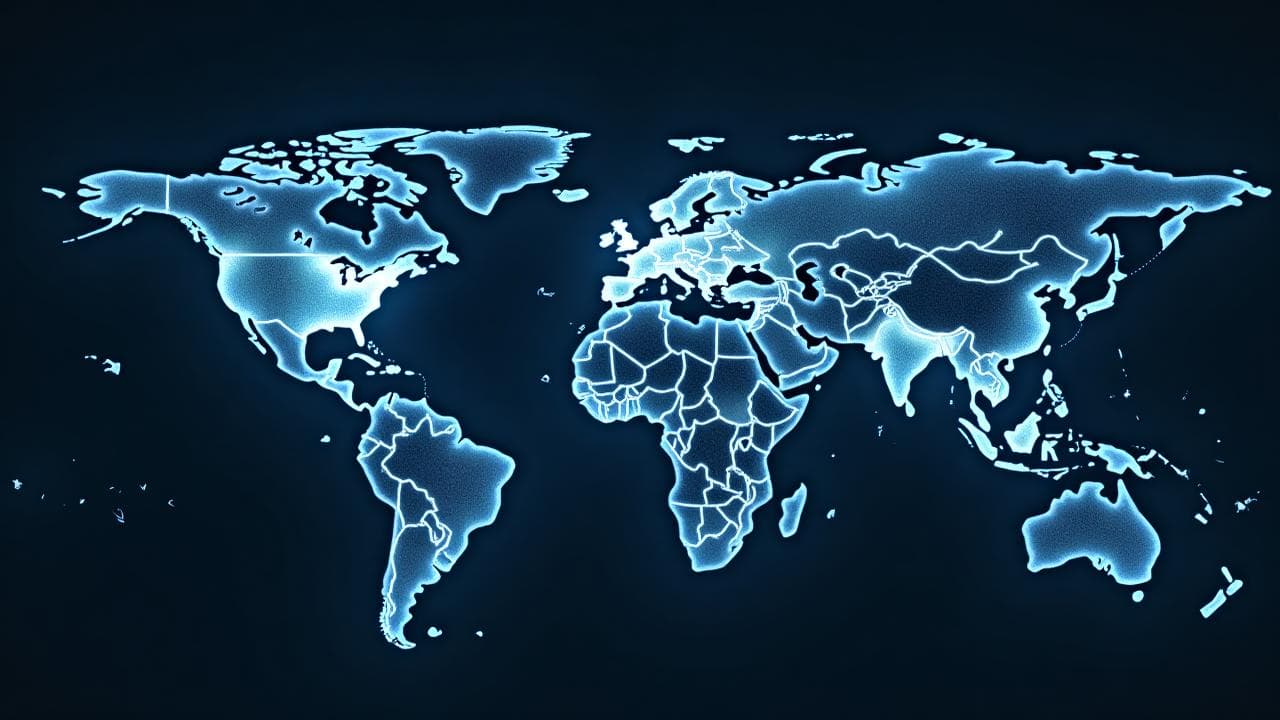

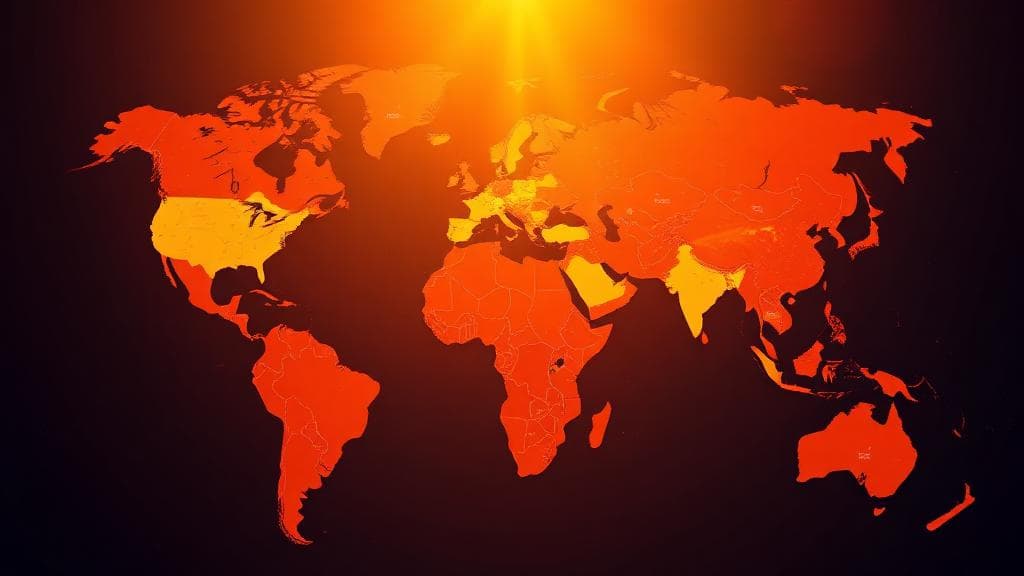
The Global Startup Map Is Being Redrawn
For decades, Silicon Valley monopolized innovation. In 2026, that monopoly is definitively broken. According to Startup Genome's Global Startup Ecosystem Report 2025, 7 of the top 20 fastest-growing startup ecosystems are now in emerging markets. The next wave of billion-dollar companies is emerging from Karachi, Lagos, Dubai, Jakarta, Sao Paulo, and Bangalore.
I know this because I'm living it. Building a global ecosystem specifically designed to connect emerging market founders with resources, capital, and market access, I've seen first-hand that the opportunity has never been bigger - especially now, when Western markets are correcting and emerging economies continue growing.
The Unfair Advantages of Emerging Market Founders
10x Cost Efficiency: World Bank data shows a world-class engineering team in Pakistan or Nigeria costs $15,000-$25,000/month. The equivalent team in San Francisco costs $150,000-$250,000/month (per Levels.fyi's 2025 compensation data). This isn't about cheap labor - it's about accessing exceptional talent at market rates. The result: 5-10x longer runway for the same capital.
Massive Untapped Markets: India alone has 1.4 billion consumers, many still underserved by technology. The IMF's World Economic Outlook projects emerging market GDP growth at 4.2% in 2026, compared to 1.6% in advanced economies. Southeast Asia adds 700 million consumers. Africa adds 1.4 billion with a median age of 19 - the youngest workforce on Earth.
Necessity Breeds Innovation: Founders building for emerging markets solve harder problems - unreliable infrastructure, limited banking access, low digital literacy - creating solutions that are inherently more robust and adaptable than those built for ideal conditions. This is what Harvard Business School's Clayton Christensen called "disruptive innovation from below."
AI: The Great Equalizer
AI tools have eliminated the knowledge gap that historically disadvantaged emerging market founders. A founder in Lahore now has the same access to AI coding assistants, design tools, marketing automation, and business intelligence as a founder in Palo Alto. Google's AI Impact Report 2025 found that AI tool adoption is growing 2x faster in developing economies than in developed ones.
More importantly, AI reduces the team size needed to build competitive products. A 3-person team with AI tools can now compete with a 30-person team without them. This disproportionately benefits emerging market founders who've always excelled at doing more with less.
Capital Is Going Global - Even in the Downturn
While global VC funding has contracted, emerging market deals are proving resilient. According to the African Private Equity and Venture Capital Association (AVCA), Africa-focused VC declined only 15% in 2025 compared to 38% globally. India's VC ecosystem, per Venture Intelligence, actually grew 12% in deal volume.
Tier-1 firms like Sequoia (now Peak XV in India), a16z, and Tiger Global continue deploying in India, Southeast Asia, MENA, and Africa. Local VC ecosystems have matured, with firms like Beenext, 500 Global, and regional funds providing early-stage capital with deep local understanding.
What the Market Correction Means for Emerging Markets
Paradoxically, global market corrections often accelerate emerging market startup growth. When Western markets tighten, global companies seek cost-efficient alternatives - outsourcing, nearshoring, and partnering with emerging market firms. The dollar strengthening makes emerging market talent even more cost-competitive. And founders in these markets are already experts at operating lean.
The crypto market downturn, while painful for speculators, is redirecting builder talent toward utility-driven projects in fintech, supply chain, and digital identity - exactly the problems emerging markets need solved.
Challenges That Remain
Regulatory uncertainty: Many emerging markets lack clear startup regulations. However, per the World Bank's Doing Business 2025 updates, regulatory environments in UAE, Saudi Arabia, India, and Rwanda have improved dramatically.
Global expansion complexity: Moving from a domestic emerging market to US or European markets requires understanding fundamentally different customer expectations, compliance requirements, and competitive dynamics.
Talent retention: As more companies compete for top talent, retention becomes challenging. Building strong culture, offering equity, and providing growth opportunities are essential.
Build Your Global Company with East Bridge Global
East Bridge Global exists to accelerate this shift. We provide emerging market founders with three things that matter: technical execution (we build your product), capital access (our investor network spans 250+ funds), and global market entry (through our agency alliance and partnerships). Whether you're in Karachi, Lagos, Dubai, or Jakarta, we've been where you are - and we know how to get you where you need to go. Book a call with our team and let's build the future together.